
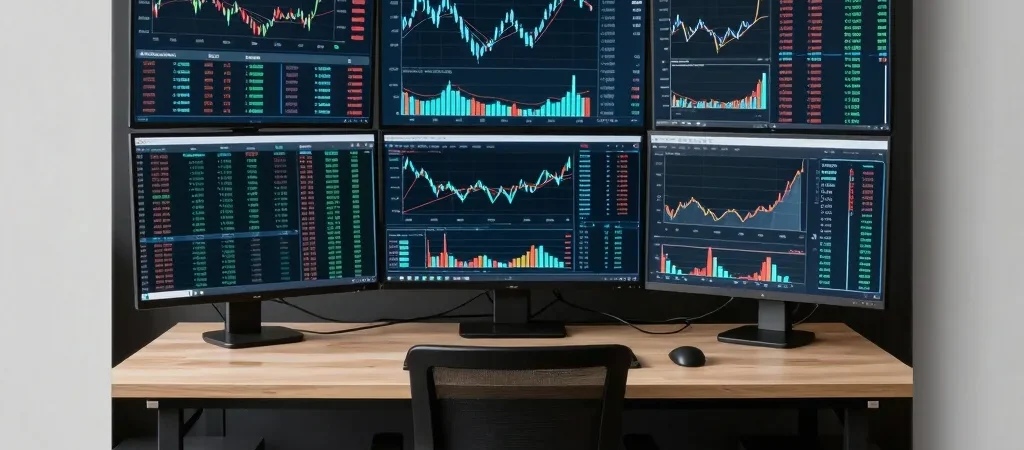
Market volatility is a quantifiable variable that demands strict mechanical rules rather than subjective guesswork. High-impact economic news releases, central bank rate decisions, and algorithmic liquidity sweeps create sharp price spikes that can disrupt standard technical indicators. Managing risk in binary options trading requires a clear operational framework designed to protect capital during chaotic price expansion.
Calculating Volatility and Economic News Windows
Maintaining an updated economic calendar is essential for identifying liquidity gaps and unexpected slippage windows. Avoid opening short-duration contracts within 15 minutes before and after high-impact macroeconomic data releases such as Non-Farm Payrolls or Consumer Price Index announcements. Spreads widen and order book depth thins during these events, making standard technical patterns unreliable.
Implementing Structural Stop Rules and Session Limits
Establish hard daily stop-loss boundaries based on total account percentage rather than individual trade emotional state. Implementing a rule that halts all trading activity after three consecutive contract losses preserves capital and prevents over-trading. Quantitative consistency relies on executing trade setups only when all predefined technical criteria align without exception.
Evaluating Performance Metrics Beyond Win Percentage
Successful binary trading management relies on tracking expectancy metrics rather than focusing solely on individual win-loss outcomes. Maintain a detailed trading log recording underlying asset class, chart timeframe, entry time, indicator values, and payout ratio for every trade. Reviewing weekly execution logs reveals systemic edge strengths and highlights behavioral leaks before they impact net profitability.
